Legend Meets Reality: Why This ‘Full-Sinking’ Kynam Dragon Pearl Pendant is the Ultimate Benchmark for Collectors?
After thirty years in the incense industry, I thought I had seen it all. But when this ‘full-sinking’ Kynam Dragon Pearl pendant rested in my palm, its sheer weight instantly broke through my defenses. It reminds me of a metaphor used by old-school scent seekers: ‘Kynam is like a dragon, hidden deep in the forest, its every breath the essence of heaven and earth.’ This is not just a piece of wood; it is a ‘Black Gold Sarira’ formed over centuries of wind, lightning, and insect erosion. While some may claim ‘full-sinking’ status, only a few ‘madmen’ who truly revere the wood would dare to apply high-risk openwork carving on such precious, waxy soft-resin material. Today, we won’t talk about empty specs; we will use this ‘Auspicious Dragon Spitting Pearl’ to explain what a ‘textbook-level’ Kynam truly looks like.
Amber of Time: The ‘Black Gold’ Chronicle Behind Full-Sinking
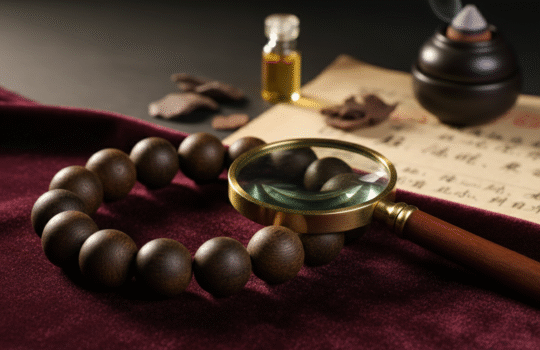
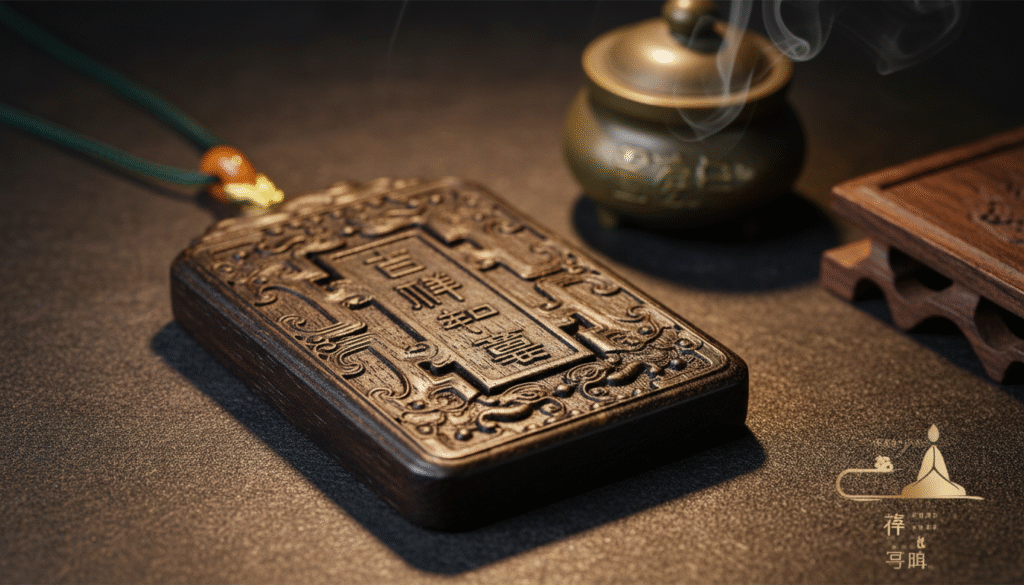
Pick up a magnifying glass and hold your breath. The darkness you see isn’t just a color—it’s time. On the surface of this pendant, you won’t see any dry white wood fibers, only overflowing resin crystals that look like ink-wash paintings. This ‘black oil’ is a medal of honor left by the tree after centuries of life-and-death struggle with fungi. Experts look for the ‘oil lines,’ which in this piece are as dense as silk and clustered into patches—the true ID of top-tier soft-resin Kynam. Most shocking is the moment you hold it: ‘full-sinking’ isn’t just an adjective; it’s a law of physics. Its density, far exceeding water, tells you that the resin sealed within is more abundant than the wood fiber itself. It is liquid fragrance solidified into a legend.
Gambling on the Blade: The Awakening of the ‘Dragon Soul’ in Soft-Resin Kynam
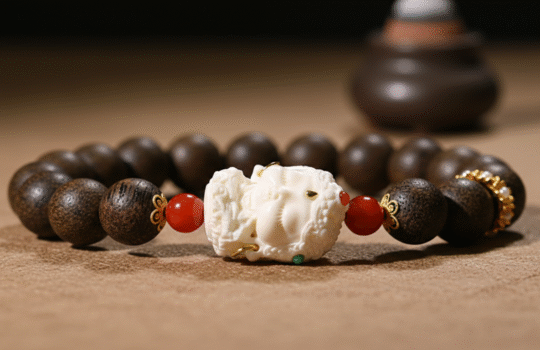
There is an unwritten rule in the incense world: ‘Kynam is not to be carved.’ Because top-tier soft-resin Kynam is as soft and waxy as paste, it sticks to the blade easily, and any slip can cause a fracture. Every speck of material removed represents a loss of pure gold. Yet, the carver of this pendant chose to gamble. Look at the ‘Dragon Spitting Pearl’ design, utilizing both double-sided openwork and fine relief. The dragon scales stand tall, and the whiskers look alive—this requires extreme control on a very soft material. The carver seemed to be ‘dialoguing’ with the Kynam, moving the blade along the natural flow of the oil. This ‘Dragon Pearl’ is not just a decoration; it symbolizes the essence born from the Kynam’s trauma. Daring to perform such openwork proves the internal structure is dense and flawless—a bold yet profound tribute to the finest incense material.

The Five-Flavor Zen State: An Irreplaceable Olfactory Symphony
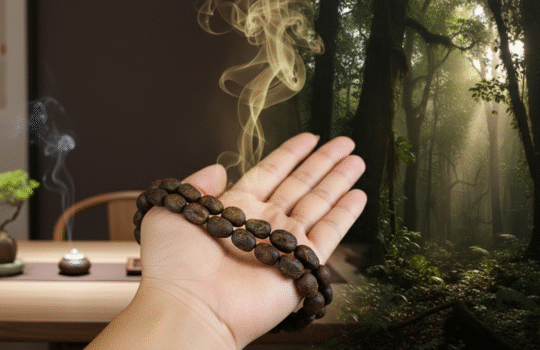
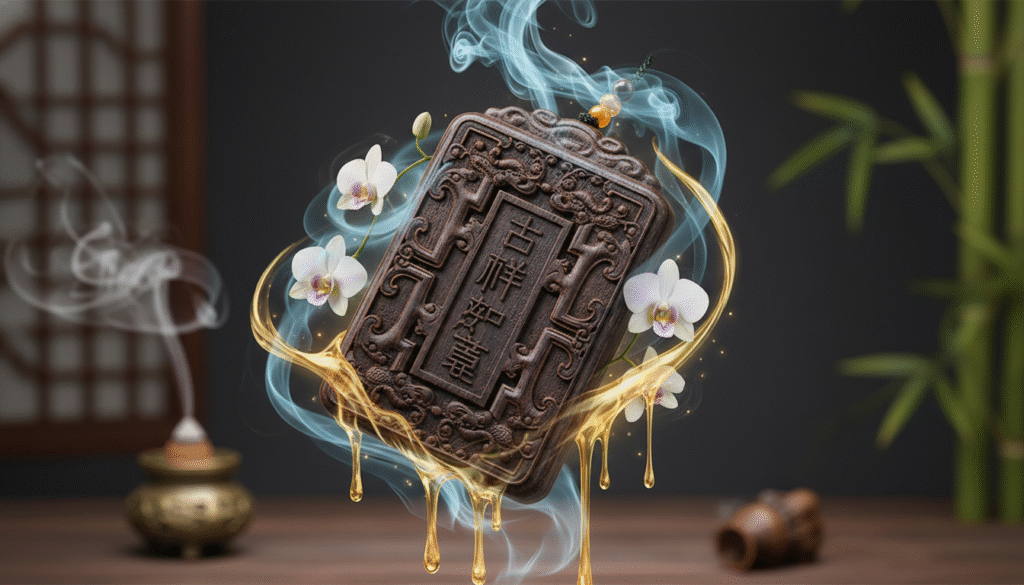
If craftsmanship gives it a body, fragrance is its soul. This Kynam requires no fire; your 37-degree body temperature is enough to wake a scent that has slept for centuries. First comes a chill that reaches the mind—a menthol-like coolness like being in an ancient forest at dawn. Then, rich honey sweetness and elegant orchid scents explode at the tip of the nose, a dominant and lasting middle note. The finish is the unique, thick creaminess of Kynam, lingering like silk. This clear layering of ‘five flavors’ is a realm ordinary agarwood can never reach. Wearing it is not just for adornment; it is like carrying a portable Zen hall around your neck.
The Ultimate Collection: More Than an Asset, A Family Heirloom
In the capital-driven auction world, only true unique pieces survive market fluctuations. While ordinary agarwood might rise and fall, the market for full-sinking Kynam is always on an upward curve. The value of this pendant lies in its non-renewable nature. Wild Kynam takes three generations to form, and pieces that reach full-sinking density with such exquisite carving are becoming extinct. It is not just a ‘dark horse’ in an asset portfolio; it is a legacy. Expert Message: In this fast-paced era, owning a piece of ‘black gold’ that allows you to be still and calm is an immeasurable luxury. If you are a collector who values not just potential appreciation but the soul of the fragrance, feel free to reach out. This Dragon Pearl might be waiting for its destined owner, or perhaps it is just the beginning of our journey together. Even just feeling the ‘weight of legend’ in your hands is a rare pleasure among connoisseurs.
FAQs
Q. What does ‘Full-Sinking’ mean for agarwood, and what are its physical implications?
A. ‘Full-sinking’ is the ultimate quality benchmark, meaning the resin content is so high that the density exceeds that of water (>1.0g/cm³). When you place this pendant in water, it sinks to the bottom immediately like a stone. For Kynam, reaching this density usually implies a resin-forming process of over a hundred years, with resin accounting for 60%-80% of the mass. It is the most objective physical indicator of its value.
Q. What is the essential difference between this ‘Soft-Resin Kynam’ and ordinary agarwood in terms of experience?
A. The difference lies in ‘waxiness’ and ‘translucency.’ 1. Touch: Ordinary agarwood is hard, while soft-resin Kynam feels noticeably waxy and sticky; it can be shaved into curls, and the cut surface is as oily as ointment. 2. Scent: Its fragrance has incredible penetration and diffusion. You can smell clear layers of coolness, sweetness, and milkiness without heating it, whereas ordinary agarwood usually requires heat to release a significant scent.
Q. Why is ‘openwork carving’ on Kynam considered a gamble?
A. The price per gram for Kynam raw material is astronomical, and its soft-resin structure is very sticky and prone to cracking. Performing double-sided openwork on such material requires not only top-tier skill to control the blade but also a solid, hollow-free internal structure of the raw material. Any mistake results in an incalculable loss of value. Therefore, a finished openwork dragon represents both the raw material and a significant premium for the risk of craftsmanship.