Connoisseur’s Notes: Why Overseas Collectors Are Pre-ordering This Batch of “Return-Grade” Chinese Kynam Zodiac Buddhas Across Oceans
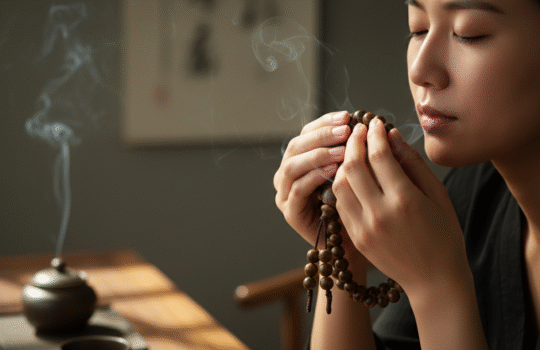
Having spent thirty years in agarwood export and dealing with “old masters” in Southeast Asia and North American Chinatowns, my standards have become exceptionally high. To be blunt, I have always looked down on those common “all-black” goods found on the market. But for this batch of “Chinese Kynam” material, I specifically turned off my phone and spent half a day quietly appreciating them in my tea room. I remember three years ago in Vancouver, a 90-year-old overseas Chinese man held my hand and said, “Shopkeeper, nowadays agarwood only smells like wood; it doesn’t have the scent of the ‘root’ anymore.” This batch is what we in the industry call “Soft Silk Old Material”—the very “root” that the old gentleman searched for in vain. When I first opened the sealed bag, that dominant honey-sweetness mixed with a cool minty air pierced straight through to the crown of my head—what we call “drilling the nostrils.” Many overseas clients often ask me: “Is there a scent that can be passed down through generations without losing its soul?” These hand-carved guardian Buddhas are my answer to true insiders and a conclusion to that transoceanic story of searching for the perfect fragrance.
Examining the Crust: Reject “Dead Black,” Seek “Soft Silk” Vitality
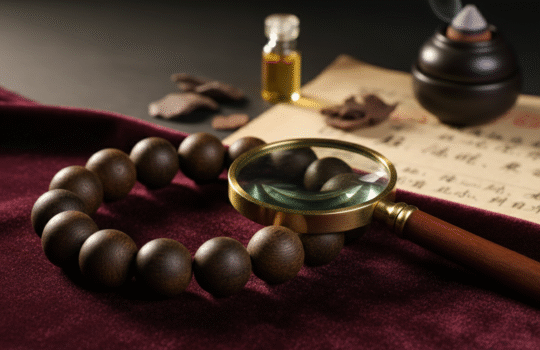
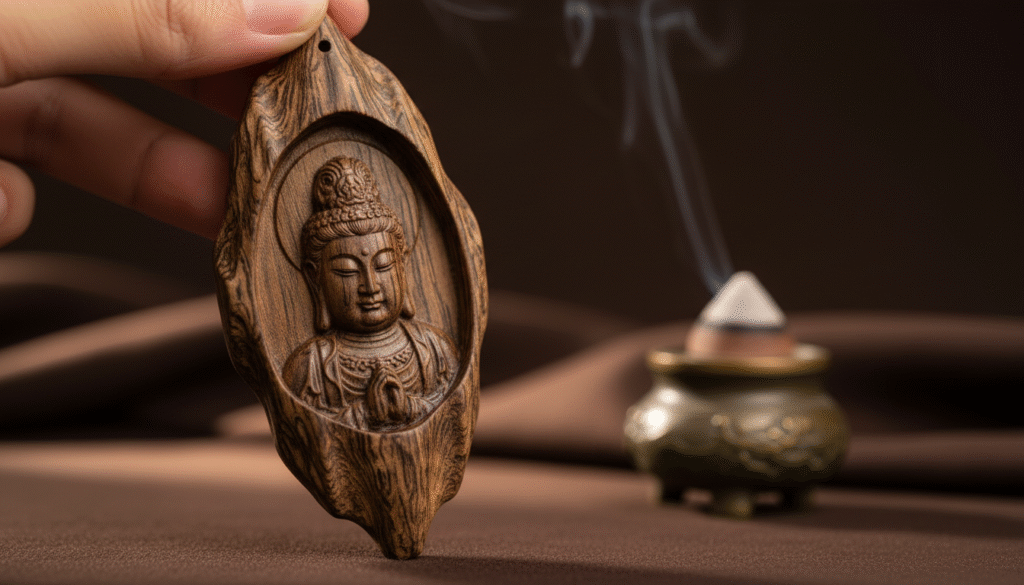
Many beginners or those misled by tour guides think that the blacker the agarwood, the better. This is a huge mistake! At the level of Chinese Kynam, it is all about “Soft Silk” and “Vitality.” This batch is called “Return-Grade” because, in the past, such quality only flowed to major overseas collectors through private channels. When you touch this pendant, it isn’t the slickness of over-polishing, but a “sticky, waxy sensation,” like touching freshly melted mutton-fat jade. This “glue-like” texture is the physical manifestation of high resin content. Under strong light, the oil lines are alive, smudging like ink in a wash painting rather than being rigid black blocks. When the master carver first applied the knife, every stroke was “sticky,” with resin overflowing where the blade passed. This “Living Oil” is what veteran Chinese collectors recognize as true “nobility.”
The Face: Creating a Sacred Space on “Soft Gold”
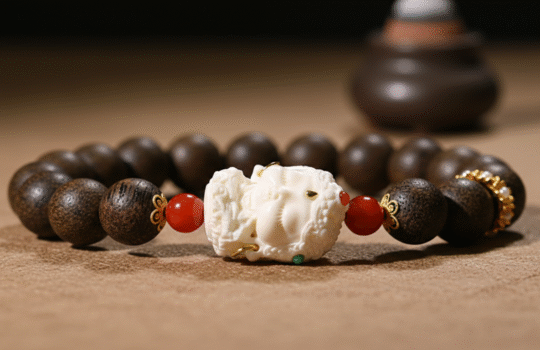
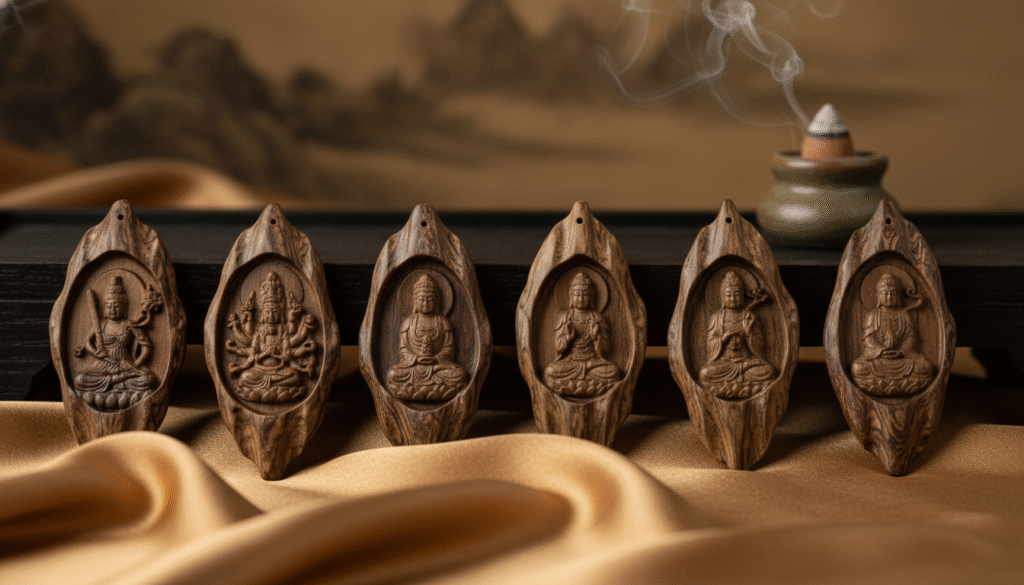
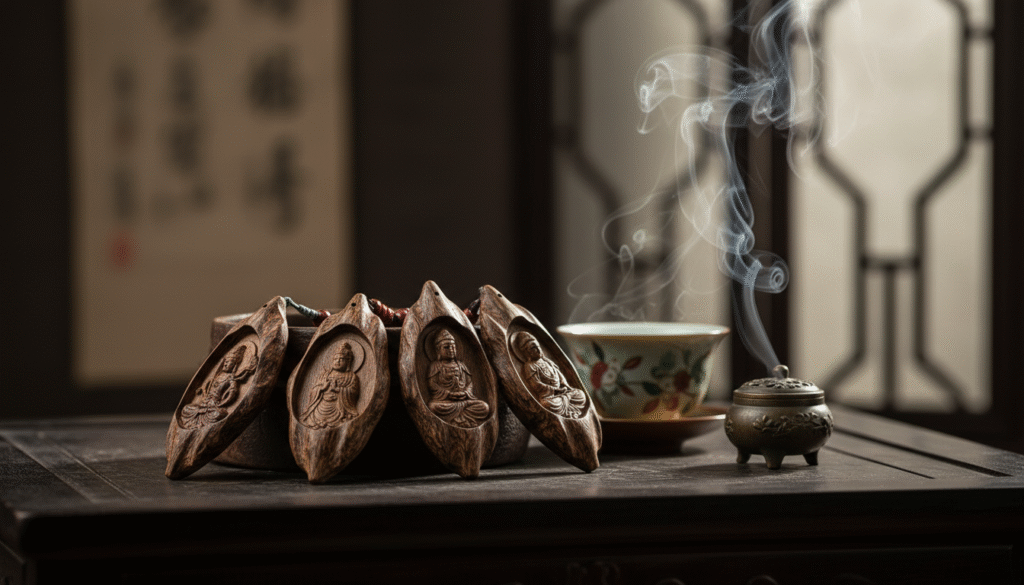
Kynam is as soft as wax; carving it is like walking a tightrope on “soft gold.” For these Zodiac Buddhas, we insisted on avoiding machine carving, instead commissioning old masters specialized in Buddhist iconography to hand-carve the “faces.” Notice the eyes and brows of the Bodhisattvas—whether it is Akasagarbha or Guanyin, that expression of compassion and solemnity cannot be replicated by a machine. We intentionally preserved the “Sui Xing” (natural shape) of the agarwood, a practice known as “carving according to form.” A collector in New York once ordered an Acala statue and said, “Machine-carved Buddhas only have the shape; hand-carved ones have the spirit.” In overseas Feng Shui circles, this method of not destroying the raw material’s “spiritual energy” is highly valued and called “Ru-Fa” (according to the Dharma). Each piece’s unique form is both a supreme respect for the rare material and a unique protection for the wearer.
The Aroma: That Specific Breath of “National Scent”
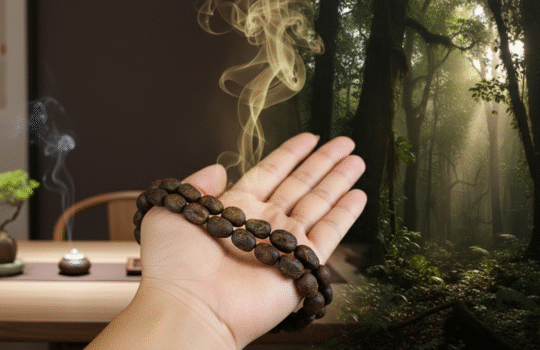
Why do overseas Chinese favor Chinese Kynam? Because that scent is nostalgia etched into their bones. These pendants do not require heating; body temperature alone is enough to stimulate the fragrance. The initial scent is an explosive honey-sweetness, immediately followed by a penetrating coolness. This “Honey-Cool” interlaced sensation is remarkably similar to the reassuring atmosphere of old traditional Chinese pharmacies from childhood, yet with the fragrance of high-end flowers and fruits. This layer of complexity is a characteristic found only in high-end Kynam from Chinese regions like Hainan and Guangdong. As that old gentleman in Vancouver said, this is the “Soul of the Homeland.” [Expert’s Note]: The quantity of this “Soft Silk” material is extremely limited, and I do not intend to sell it loudly in public forums. If you are the destined person looking for that “root” scent, or want to see the real “oozing oil” state of this material under a high-power microscope, feel free to contact me directly via the homepage with the note “Kynam Appraisal.” I will privately send you a macro video for your inspection. Experts will know the quality at a single glance.
FAQs
Q. I live in a dry climate (like North America or Northern Europe). Will this Kynam pendant crack?
A. This is a top concern for many overseas collectors. Rest assured, because Kynam has an extremely high resin content (often called “full oil”), the internal wood fiber structure is almost entirely filled with resin, making its stability far superior to ordinary agarwood. However, to be completely safe in extremely dry heated rooms, we suggest placing it in the provided specialized sealed bag or bead box with a slightly damp sponge when not in use to keep its “vitality” at its best.
Q. Will this “Soft Silk” material become sticky after wearing it for a long time?
A. You’ve hit the nail on the head! The so-called “stickiness” is the unique oily texture (oiliness) of top-tier Kynam, definitely not the stickiness of glue. As you wear it, your body temperature will further soften the oils, and a beautiful patina (Bao Jiang) will form on the surface. The color will become deeper and the touch as warm as jade. This interaction between the person and the scent is the most fascinating part of old Kynam.
Q. How can I be sure of the authenticity and origin of the Zodiac Buddha?
A. In our industry, reputation is our livelihood. This batch consists entirely of old-growth Chinese Kynam stocked in early years. Besides the national-level appraisal certificate, I encourage experts to perform a “blind tasting.” The piercing coolness and the “sticky knife” sensation when cut are biological IDs that cannot be forged by any technology. If you receive it and feel the scent is wrong, return it to me anytime; I will cover the shipping.
Q. How should I maintain it when not wearing it?
A. Kynam is a spiritual object and values “cleanliness.” When not wearing it, we recommend placing it in a clean spot in a study or a Buddha hall, or burying it in agarwood powder to “nurture the rhyme.” This not only maintains the fragrance but is also a traditional method of “gathering energy” (Ju Qi), which is very suitable for collectors who care about Feng Shui and energy fields.