Soul Into the Red Earth: Unveiling the Mineral Code and Decade-Long Appreciation of Hainan ‘Tiger-Skin’ Shujie Agarwood
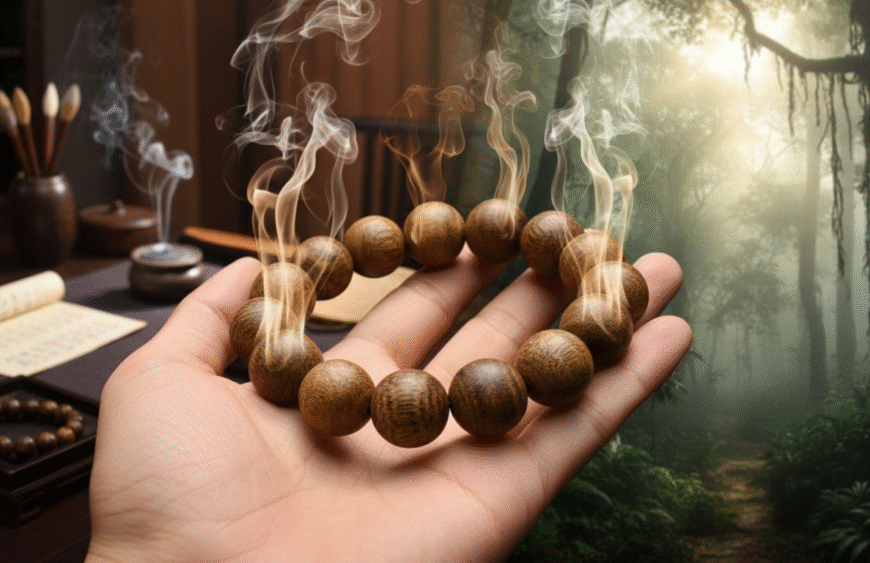
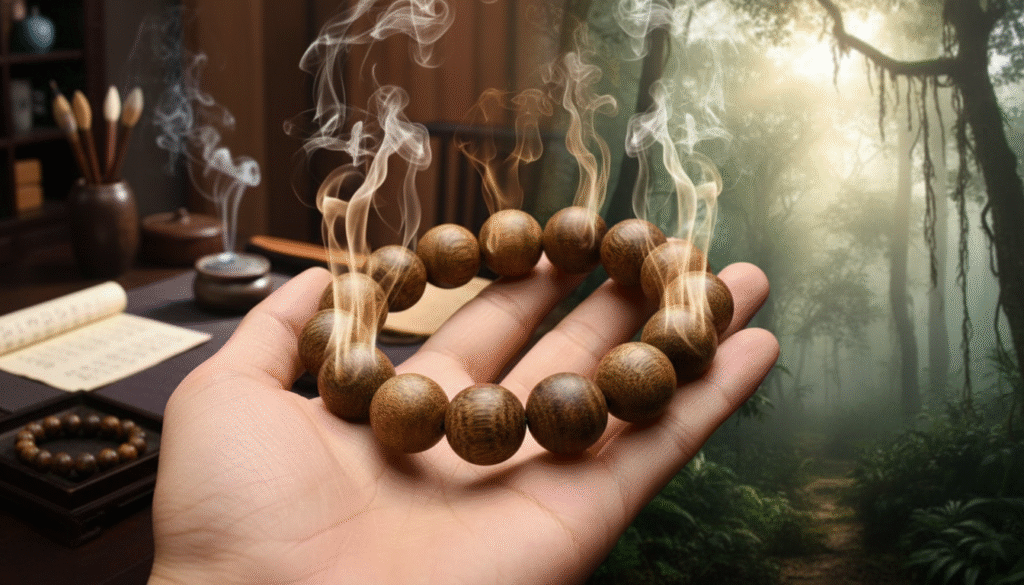
In this noisy age, few objects can make time stand still. The Hainan ‘Shujie’ I am holding is not mere wood, but a sealed geographic memory. Experts say: ‘First look at the oil, second look at the soil.’ The ‘Tiger-skin’ patterns surging like a tiger descending a mountain are medals left by decades of struggle between the wild Aquilaria sinensis and the iron-rich soil of central-southern Hainan. Today, we skip the mysticism and use a ‘cultural audit’ lens, combined with major auction insights, to dismantle the hidden logic of mineral formation and capital value behind these beads.
Geological Masterpiece: The ‘Aesthetics of Suffering’ Under Red Soil
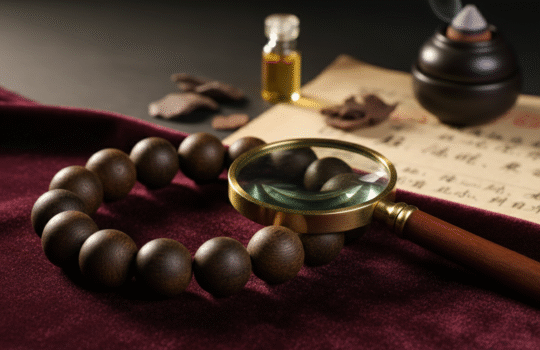
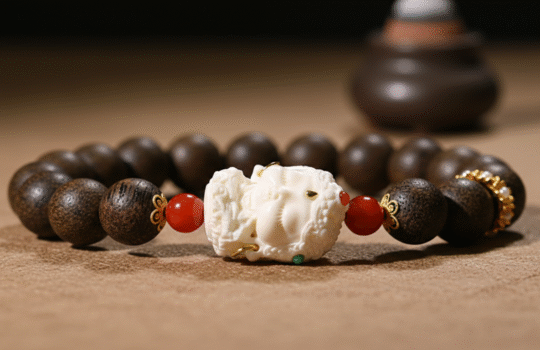
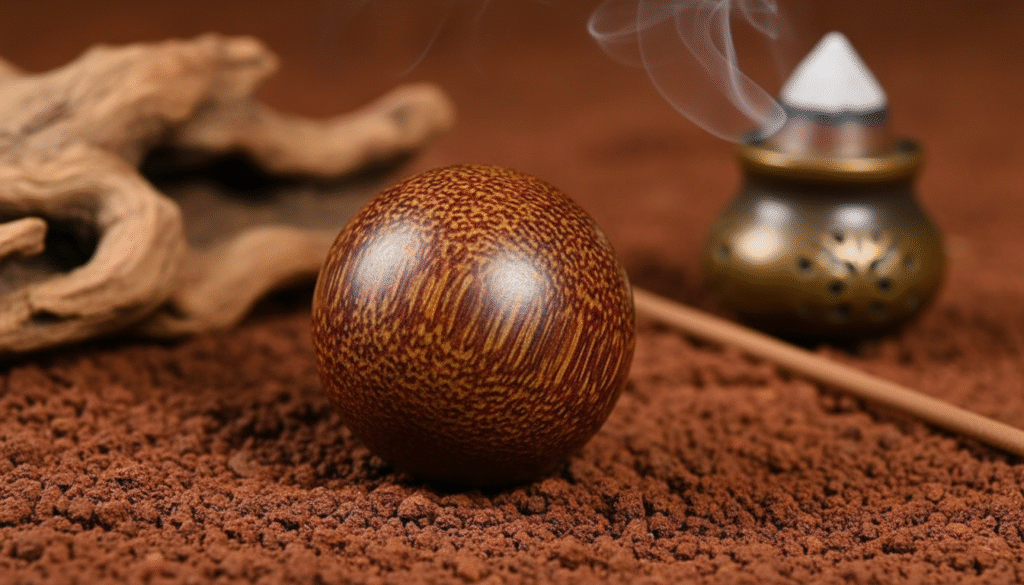
Look closely at the texture. Unlike the dead black of Indonesian material, this Hainan piece displays a captivating interplay of reddish-brown and golden ‘Tiger-skin’ patterns. This is no accident; it is a geological ‘fingerprint.’ The story begins with Hainan’s unique laterite soil—rich in iron and aluminum oxides and slightly acidic. When an Aquilaria tree falls and is buried in this red earth, it secretes defensive resins to resist fungal and mineral erosion. Iron ions permeate the wood fibers, undergoing a long chemical replacement with the aging resin to produce this unique red-soil golden charm. Every stripe is a ‘pathology report’ of the tree’s gamble with the earth during its darkest hours. To collect this is to own a history of the planet’s most resilient plant survival.
Scent Audit: That Hint of Coolness is the Soul of National Incense
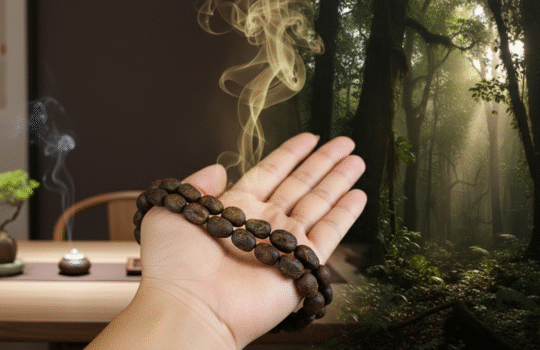
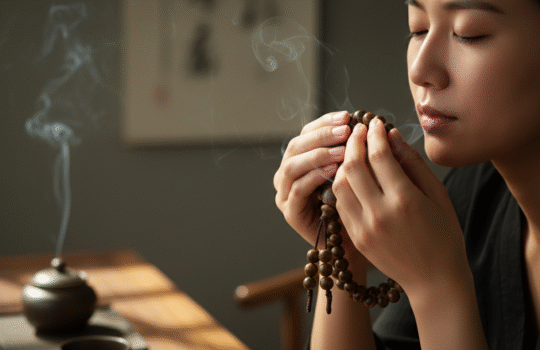
Without smelling it, you can never understand why Song Dynasty literati would trade fortunes for an ounce of agarwood. The soul of Hainan Shujie lies in ‘Coolness.’ This ‘Tiger-skin’ mature agarwood belongs to the Aquilaria sinensis lineage. Unlike the overt herbal scent of the Xingzhou (Indonesian) series, it is reserved yet dominant. Upon first sniff, a piercing coolness reaches the brow—a sign of high-purity sesquiterpenoids in the resin; then comes the characteristic ‘honeyed sweetness’ of Shujie after years of aging, without a trace of raw harshness. This scent cannot be simulated by artificial high-pressure oil injection; it is the product of decades of anaerobic fermentation in the red soil. Wearing it, your body heat activates the scent, transporting you to the misty depths of Hainan’s Wuzhi Mountain at dawn—a private olfactory pilgrimage.
Value Anchor: A ‘Stock Game’ from the Auction Gavel
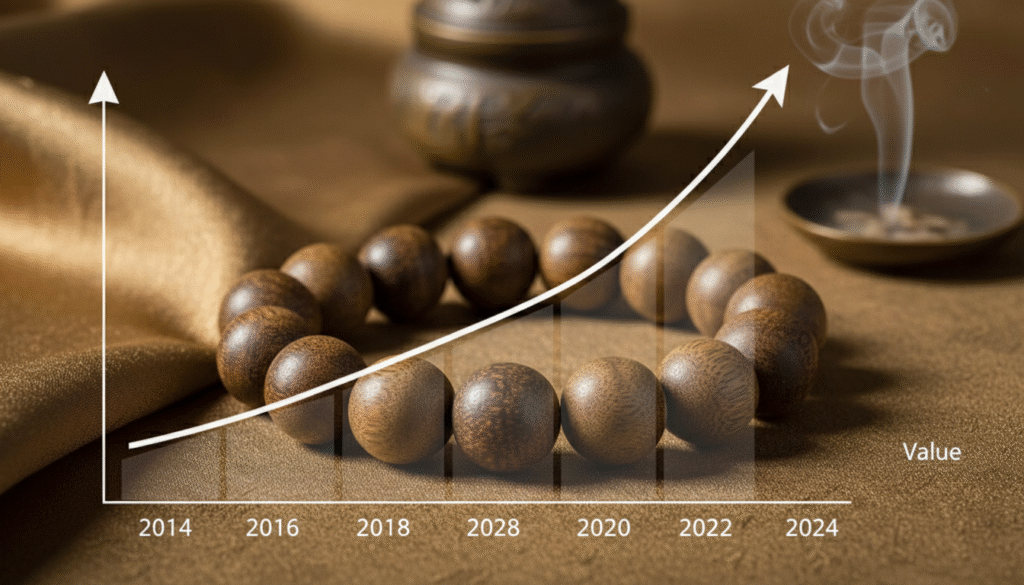
Sentiment is priceless, but the market has iron laws. As a practitioner for 20 years, I’ve seen ‘Domestic Shujie’ evolve from curio to top-tier asset. The 2014 Beijing Poly Spring Auction was a watershed moment where Hainan Agarwood reached astronomical prices. While this bracelet is not fully sinking, its resin density reaches the ‘near-sinking’ level. In an era where wild resources are nearly extinct, this quality represents a non-renewable ‘inventory asset.’ Data shows the annual appreciation rate for high-quality Hainan Shujie remains stable at 15%-20%, far exceeding gold. Collectors are not just fighting for beads, but for the pricing power of future scarcity. This is the row in your asset allocation table with the most cultural depth. [Expert’s Final Word]: The market is deep; ‘Tech-Agarwood’ (fake) often confuses the eye. If you have ‘Red Soil’ material you are unsure of, or want to find true ‘hard currency,’ click the consultation window below. I have prepared a private ‘Hainan Agarwood Authentication Red Paper’ for true connoisseurs. Let’s discuss privately and use my macro lens to break the information gap.
FAQs
Q.Is the ‘Tiger-skin’ pattern a sign of quality?
A.Yes, provided it is naturally formed. ‘Tiger-skin’ patterns represent a perfect physical integration of the resin (phloem) and the wood (xylem). In Hainan’s iron-rich red soil environment, this integration presents distinct layers of gold, brown, and black, indicating a long resin-formation period and specific mineral influence—typical characteristics of high-quality Shujie.
Q.Why is ‘Shujie’ more valuable than ‘Shengjie’ for collection?
A.’Shengjie’ is harvested from living trees; it has higher moisture, a harsher scent, and may crack over time. ‘Shujie’ (Mature Wood) forms after a tree dies and undergoes natural weathering, insect erosion, or soil burial until the wood decays, leaving only the resin-rich parts. It is a survivor of time, extremely stable, has a mellow scent, and its existing supply is less than one-tenth of Shengjie, hence its high collectible value.
Q.What should I notice during daily wear?
A.Agarwood is spiritual and sensitive to ‘chemical attacks.’ Please remove it when bathing, using perfume, or applying skincare products to avoid dissolving the surface resin. The best maintenance is ‘wearing’; the body’s constant temperature and trace oils will make the ‘Tiger-skin’ more lustrous, and the scent more dynamic. If not worn for long periods, store it in a sealed box in a cool place.
Q.How can I tell if a piece is Hainan material rather than Nha Trang (Vietnam)?
A.This requires looking at the ‘base color’ and ‘scent.’ Hainan red-soil material often has a unique ‘yellow-brown-gold’ base (due to iron), with finer, curled textures. Nha Trang material often has a cooler white or grey-black base. Most importantly, the scent: Hainan’s unique ‘elegant cool sweetness’ and ‘fruity fragrance’ are its exclusive ID. Nha Trang’s coolness is sharper and carries a hint of floral honey, giving it a completely different temperament.