Sinking Grade Heartwood Oil: Why Senior Collectors Prefer This “Irregular” Black Oil Old Material?
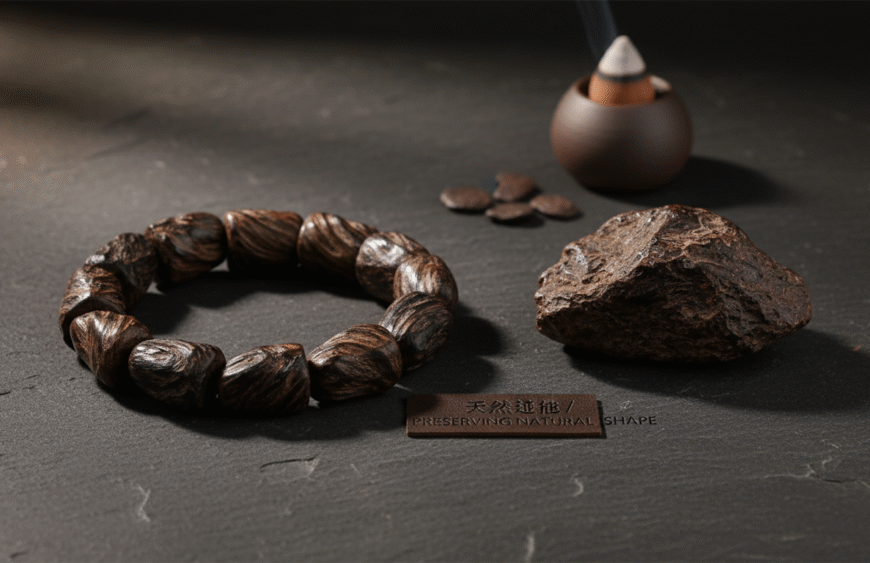
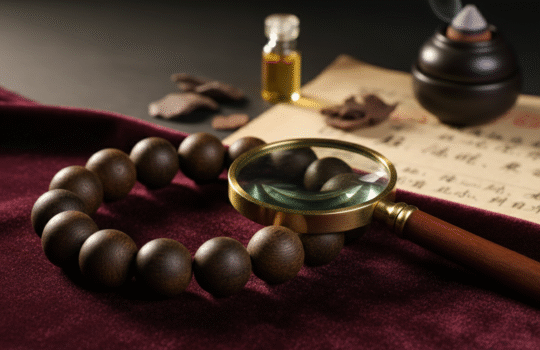
Having exported agarwood for thirty years, I have handled countless “perfect” round and barrel beads—those are the “standard products” made for the mass market. But honestly, what truly makes my heart skip a beat and makes me want to hoard them are the ones that “grow freely.” Today, I want to talk about this bracelet—not a factory-line commodity, but a classic “heavy sword with no edge”: a Sinking Grade Heartwood Black Oil Old Material Freeform Bracelet. Many new players don’t understand: why not turn such top-tier material into round beads? Connoisseurs understand the moment they see that overflowing paste-like resin: cutting away even a sliver of this old material would be a crime against nature. This isn’t just a bracelet; it’s a piece of non-renewable history, a “secret handshake” for those who truly know scent.
Visual Evidence: What is Real “Paste-Like” Black Oil Texture?
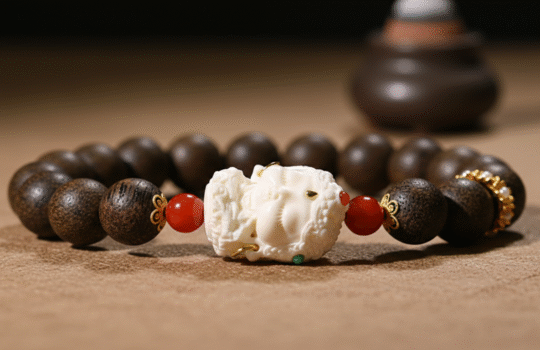
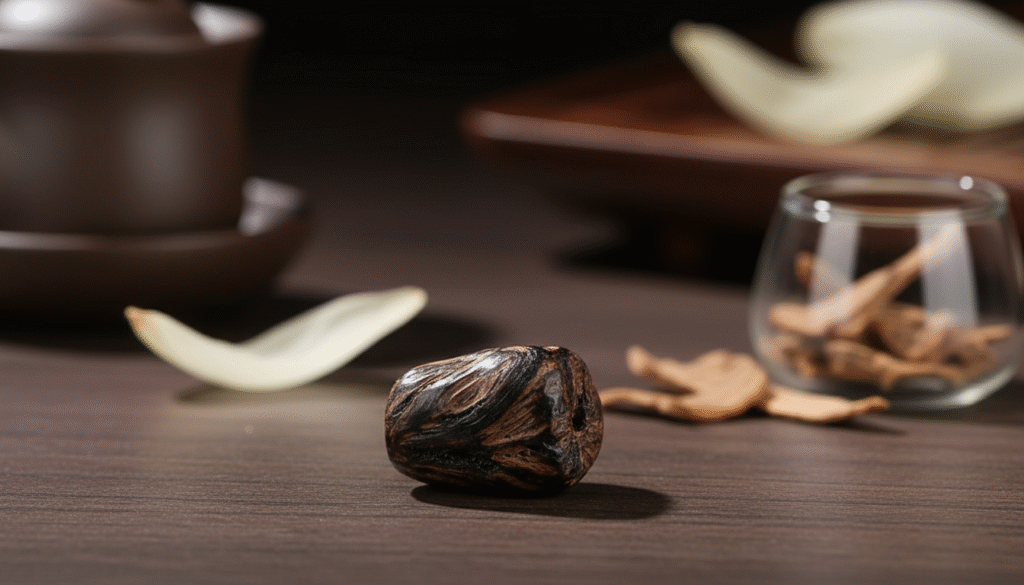
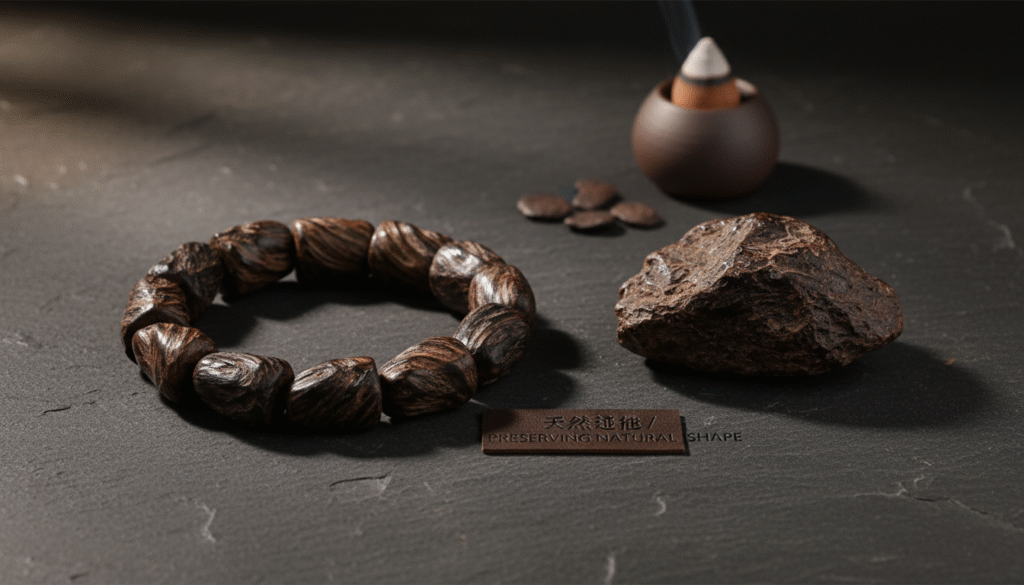
Pick up this bracelet, and the first thing that hits you is the color. It’s not just black; it’s a deep, “oily black” that looks like it could drip at any moment. There are too many products on the market using high polishing to hide a lack of oil—that superficial glint is a dead giveaway. Look closer at this one—the resin is accumulated in the vessels like a “paste,” like solidified honey filling wood fibers. This is what we call Heartwood Black Oil (Heartwood Black Oil). This texture cannot be faked; it only occurs in old material after hundreds or thousands of years of maturation, where the wood is almost entirely replaced by resin, resulting in this succulent, moist state. Turn it under natural light; it emits a restrained, heavy glow. This explains why it reaches “Sinking Grade”—its density is so high that water cannot support it, the highest praise given by the laws of physics.
Freeform Cutting: The Highest Respect for Top-Tier Old Material
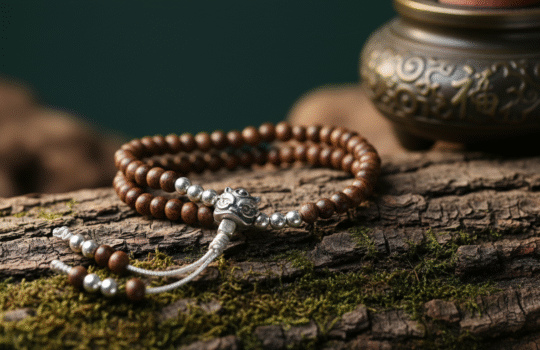
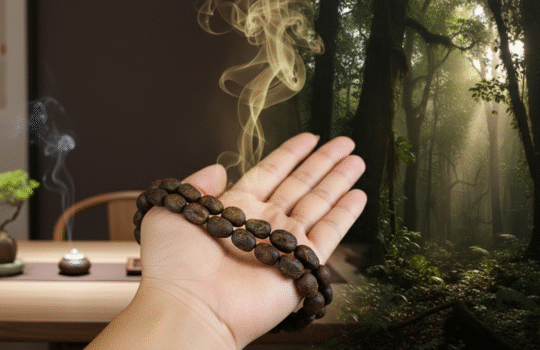
Many friends ask me, “Old Chen, wouldn’t this top-tier sinking material sell for more if it were turned into round beads?” Hearing this always hurts. On the contrary, for this elite heartwood oil old material, we follow “Natural Freeform” cutting. This piece is taken from the very essence of the heartwood, where the resin formed along the tree’s natural veins in irregular shapes. Forcing it into a round shape would not only waste over 70% of the premium material but also sever the natural oil lines and disrupt the “Qi” of the wood. Its current state, though “irregular,” perfectly preserves the original distribution of resin. The rises and falls of each bead are the natural boundaries of resin accumulation. Experienced collectors eventually seek this “raw beauty,” as it represents absolute respect and zero compromise for the natural raw material.
Tracing the Roots: The Vanished “Chinese Kinam” and an Invitation
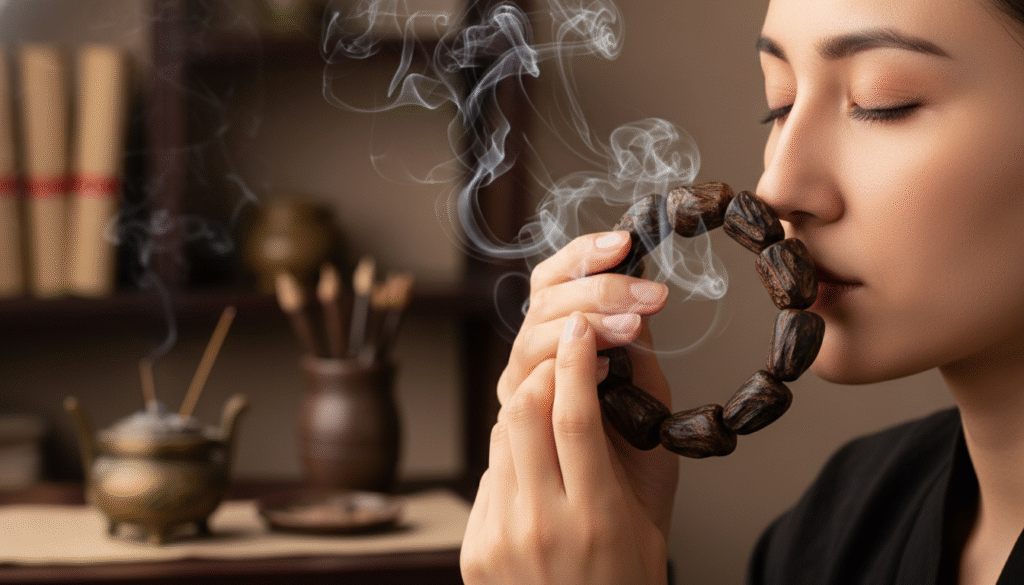
Visuals are just the surface; the soul lies in the scent. Today’s market, from Nha Trang to Kalimantan, hypes “Kinam-species.” But veteran collectors have their own internal scale: the true pinnacle of aroma originates from the former “Chinese Kinam” lineage (Guan/Hainan lineage). This bracelet is precious because it is a “swan song” of what remains. Holding it at room temperature, you feel a coolness rushing straight to the crown—that is the top-tier “minty note,” followed by rich honey and steady medicinal notes. This aura is brewed by geological environments and centuries of time; new material simply cannot achieve it. \n\n[Expert Advice]: The world of agarwood is deep; words can never match a personal olfactory experience. If you’re unsure about this “old material aura” or want to verify if your own stock is authentic, feel free to contact me. I have specifically kept some “scrap sample packs” from the same material—not for sale, but to give away. I hope to help you establish a true “top-tier agarwood olfactory coordinate,” so you can pay less “tuition” and play the game right.
FAQs
Q.Since it is sinking grade, why not make a sinking test video?
A.For this level of quality, sinking is a physical certainty. But as a veteran player, I must warn: frequent immersion in water can damage the patina and resin of old material. A connoisseur knows its quality just by the density of oil lines and the “heft” in hand. If you truly need verification, we can do a video call during the transaction, and I’ll perform a non-destructive test for you, but it’s not recommended as a daily habit.
Q.Is this freeform bracelet suitable for daily wear or just for collection?
A.Both, but it leans toward collection or social gatherings. Because its “paste-like” resin is very delicate, long-term contact with sweat without proper care might affect the purity of the scent. My advice: Treat it as the “centerpiece” of your tea table, wear it during leisurely scent appreciation or important business negotiations, and keep it sealed otherwise. It is a “breathing” asset; with proper care, the scent becomes even more mellow.
Q.What’s the difference between the “Chinese Kinam” scent and today’s cultivated material?
A.They are worlds apart. Cultivated material, or “artificial agarwood,” has a superficial scent—only a raw woody smell or a single synthetic fragrance. True Chinese Kinam old material has a penetrating scent; the coolness “bores” into the nose, and the fragrance lingers for a long time, with distinct top, heart, and base notes. This is the depth built by time, which is why I suggest you experience the sample pack—once you smell the truth, the fakes will reveal themselves.